Custom Home Builder: Personalized Building Services for Custom Layouts
Choosing the Right Custom Home Builder: Key Factors to Consider
Picking the right custom home builder is a pivotal determination that can substantially affect the success of a building project. Several factors, such as the home builder's background, standing, and communication approach, play essential roles. Knowing one's own objectives and expectations is equally important. As prospective homeowners examine these factors, they must also weigh flexibility in design and financial transparency. Each aspect warrants thoughtful examination, inspiring an investigation of what really establishes a home builder the perfect selection.
Examining Builder Experience and Reputation
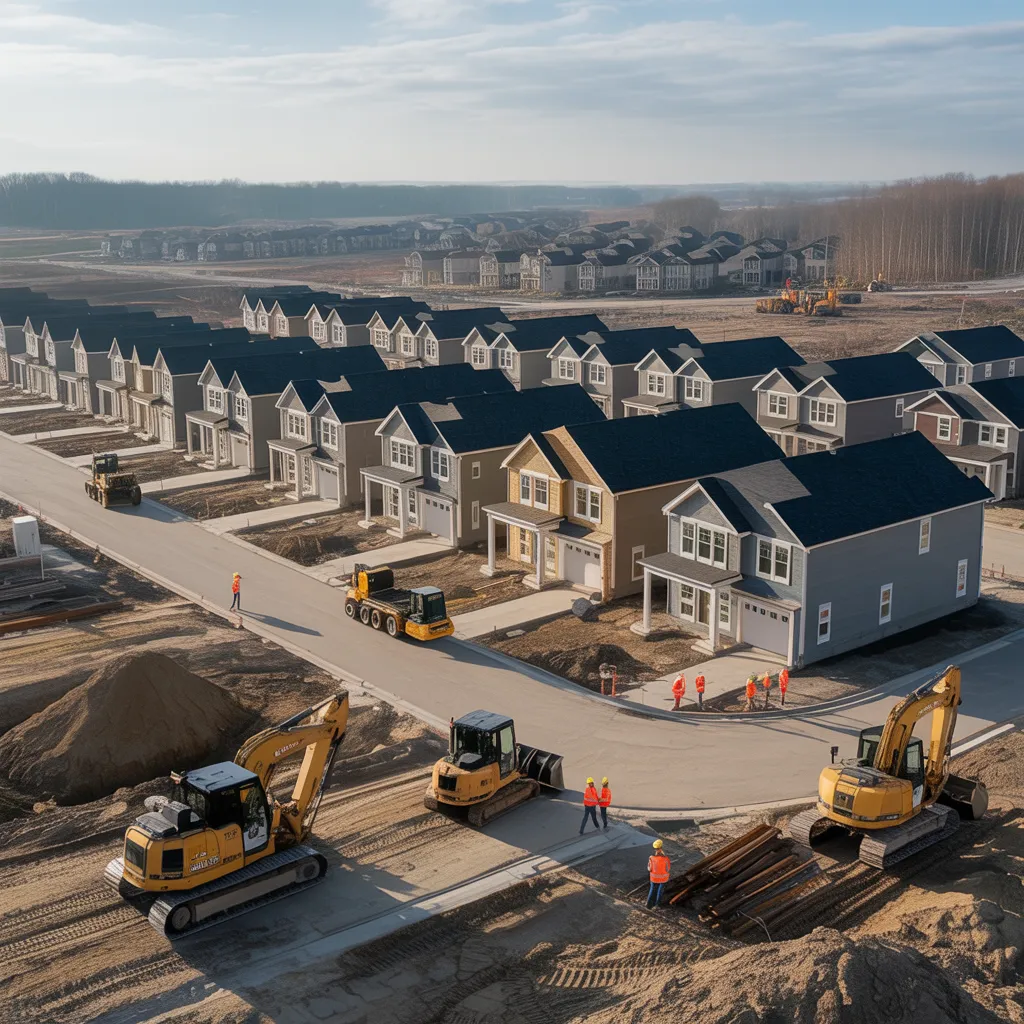
When choosing a custom home builder, researching their experience and reputation is essential. A builder's track record can provide valuable insights into their trustworthiness and quality of work. Potential homeowners should look for builders with a background of accomplished builds that correspond to their chosen design and quality expectations. Reviewing online feedback and testimonials can reveal the experiences of previous clients, showcasing both advantages and shortcomings.
Furthermore, it is beneficial to verify any professional certifications or memberships, as these generally signal a adherence to professional practices. Engaging with local real estate agents or visiting completed homes can also offer perspectives on a builder's track record. Obtaining facts about how long a builder has worked in the industry can further guide your choice, as a long track record typically signals dependability and skill. Overall, detailed analysis of a builder's qualifications and reputation lays a solid foundation for a rewarding construction experience.
Comprehending Your Vision and Requirements
What steps can homeowners take to clearly communicate their vision and requirements when embarking on a custom home project? Clear communication is key. Homeowners should begin by defining their lifestyle requirements, including family size, everyday habits, and long-term goals. This foundational understanding helps shape the overall layout and functionality of the home. Tools such as inspiration boards or sketches can further help in communicating particular design preferences, from architectural styles to color schemes.
In addition, defining budget constraints allows building experts to offer workable solutions without undermining the homebuyer's expectations. Regular reflection on key objectives guarantees that the development initiative keeps pace with evolving needs. Conducting honest conversations with family members can further refine plans, confirming all opinions are acknowledged. In the end, a clearly defined vision operates as a foundational roadmap, allowing builders to transform creative visions into realized results while cultivating a cooperative relationship during the project lifecycle.
How to Measure Builder Communication and Team Dynamics?
Effective communication and teamwork are essential when selecting a custom home builder. Evaluating initial response times, analyzing communication styles, and observing team collaboration dynamics can provide valuable insights into a builder's operational effectiveness. By focusing on these aspects, clients can better determine if a builder aligns with their project needs.
First Response Time
Timely communication serves as a pivotal indicator of a contractor's professionalism and organizational ability. When considering custom home contractors, prospective clients should pay close attention to initial response times. A builder who swiftly addresses client inquiries demonstrates respect for the client's time and shows readiness to engage in the project. Rapid replies frequently indicate a well-structured team that values client satisfaction. On the other hand, slow responses may indicate underlying problems within the builder's workflow, including insufficient personnel or ineffective organizational strategies. Prospective clients are encouraged to assess response times during initial interactions, as this can provide valuable insights into the builder's overall approach and reliability throughout the home-building process.
Communication Approach Evaluation
What methods can clients use to assess a builder's communication style and teamwork? Prospective homeowners can begin by evaluating initial interactions. Timeliness in replies and transparency in details provided are key signals. Setting up a direct meeting or phone discussion can further expose the builder's preferred way of communicating. Observing how well the builder listens to client concerns and articulates solutions is essential. Moreover, clients should question the builder regarding preferred communication platforms—including email, telephone, or face-to-face discussions—since these can impact overall project flow. Collecting feedback or opinions from past clients can additionally shed light on the builder's ability to sustain clear channels of communication. In the end, grasping these elements helps ensure a cooperative and open construction experience.
Collaborative Team Dynamics
Recognizing a builder's communication style sets the stage for evaluating the dynamics of team collaboration. Strong collaborative efforts depends on clear, consistent communication between all involved parties, including subcontractors, architects, and suppliers. Potential homeowners should assess how the builder promotes communication during construction meetings, ensuring all voices are heard. Observing the responsiveness of the builder to queries and challenges can reveal their commitment to teamwork. Moreover, looking into past work and client reviews may provide insights into the builder's capacity to cultivate a cohesive team environment. A cooperative work setting frequently results in smoother project execution, limiting disruptions and confusion. At the core of it all, a builder's approach to teamwork get details on this can significantly influence the overall success of the custom home building experience.
Examining Design Adaptability and Customization Selections
When selecting a custom home builder, assessing design flexibility and customization choices is important, as these aspects greatly influence the overall contentment with the final product. A builder's ability to adjust designs according to individual needs can significantly improve the homeowner's satisfaction. Future clients should ask about the variety of design choices available, including floor layouts, construction materials, and interior finishes.
Furthermore, it is vital to assess how the contractor integrates innovative elements and up-to-date technologies, which can elevate both performance and visual appeal. Property owners should also evaluate the contractor's past work, examining how well they have fulfilled personalized requirements in the past. Transparent dialogue regarding architectural concepts and the capacity to alter plans during the building phase can further reflect a builder's dedication to tailored solutions. In the end, detailed examination of these factors confirms that the chosen construction professional fits in line with the property owner's goals and lifestyle preferences.
Verifying Licenses and References
Beyond licenses obtaining references from former clients is crucial. Pleased clients regularly share details about the builder's dedication, quality of work, and commitment to schedules. Future homeowners are encouraged to obtain a catalog of recent builds and connect with these references for straightforward assessments. Online reviews and testimonials can supplement this information, offering a broader view of the builder's reputation. Through carefully confirming credentials and references, homeowners can reach well-informed conclusions and ensure a productive collaboration throughout their custom home construction process.
How to Review Pricing From Custom Home Builders
When assessing pricing from custom home builders, it is crucial to understand the various pricing models they utilise. Requesting detailed estimates enables potential clients to see a breakdown of costs, ensuring transparency. Furthermore, comparing inclusions and exclusions can highlight considerable disparities in offerings among custom builders.
Grasp Pricing Structures
How does one successfully manage the different pricing models offered by custom home builders? Understanding these structures is vital for making informed comparisons. Contractors commonly offer pricing in different formats, such as set-price contracts, cost-plus agreements, or design-build agreements. A firm-price agreement establishes a defined total in advance, reducing unexpected costs, while cost-plus arrangements invoice the true costs alongside an additional charge, possibly contributing to increased overall expenditures. Design-build contracts simplify the workflow by combining design with construction, but pricing can vary widely based on scope. It is necessary to thoroughly review what is covered within each pricing structure, such as provisions for materials and workforce costs. By thoroughly understanding these structures, potential homeowners can make more informed decisions pertaining to their personalized home construction project.
Get Detailed Estimates
Requesting comprehensive bids from custom home builders is crucial for accurate price assessment. These bids should itemize charges covering labor, materials, permits, and supplementary charges. By obtaining a number of quotes, potential buyers can detect differences in pricing and understand the extent of each builder's services. It is necessary to confirm that bids are derived from the same specifications to support an reliable evaluation. Builders may offer a range of alternatives, from standard to high-end materials, impacting total expenses. Prospective buyers should also ask about payment schedules and possible extra charges that may arise during construction. A comprehensive review of these estimates can highlight not only cost expectations but also the degree of openness and expertise of every contractor.
Compare Inclusions and Exclusions
What elements should homeowners examine when reviewing what custom home builders include and exclude? First, it is essential to identify what exact features are part of the base price, such as cabinetry, flooring, and fixtures. Homeowners are encouraged to thoroughly assess the quality and brands of these inclusions, as they can greatly impact overall satisfaction and long-term value. Moreover, comprehending exclusions is vital; these are charges that might surface at a later stage, such as site improvements or upgrades. Homeowners should request detailed lists from multiple builders to facilitate a clear comparison. Moreover, evaluating the customization options available within each builder's package can reveal potential hidden costs or savings. Ultimately, a thorough comparison can guide homeowners toward making an informed decision that aligns with their budget and expectations.
What You Can Expect From Warranties and Post-Construction Support
A feeling of assurance often accompanies the choice to purchase a custom home, particularly when examining warranties and post-construction support. Buyers can anticipate comprehensive warranties that protect against structural integrity, major systems, and materials used in construction. In most cases, these warranties span for a specific period, ranging from one to ten years, providing protection against problems and flaws that could develop.
After-construction support is equally significant, as it provides homeowners with assistance after the project is concluded. Contractors should provide a clear process for addressing concerns, conducting regular maintenance checks, and overseeing required fixes. Clear communication is essential during this phase, as it builds a foundation of trust and makes sure that homeowners feel supported.
At the end of the day, grasping the details surrounding post-construction support and warranties can greatly influence a homeowner's satisfaction and peace of mind, making it a critical factor when selecting a custom home builder.
Popular Questions We Receive
How Long Does the Custom Home Building Process Typically Take?
The process of building a custom home usually spans from six months up to a year or longer, based on factors such as design complexity, permitting, weather conditions, and the builder's experience, each of which can significantly impact the overall timeline.
What Are Common Pitfalls to Avoid When Selecting a Builder?
Frequent mistakes to steer clear of when choosing a builder include overlooking the importance of checking references, ignoring the specifics of the contract, neglecting to establish clear expectations, disregarding the quality of previous projects, and failing to assess the builder's familiarity with particular design styles or materials.
Can My Design Be Changed During the Construction Process?
Yes, alterations to the design may be implemented while construction is underway, but they may lead to delays and additional costs. It is essential to maintain clear communication with your builder to understand the implications of any modifications on the project timeline and budget.
What Funding Options Are Available for Custom Home Building Projects?
A variety of financing options are offered for custom-built homes, including FHA loans, construction loans, and conventional mortgages. Aspiring homeowners should consider these pathways, reviewing interest rates, conditions, and qualification requirements before committing to a choice.
How Do Builders Address Unexpected Challenges During Construction
Builders typically address unanticipated challenges in the course of construction by assessing the situation, communicating with the homeowner, and implementing solutions. They often adjust schedules and financial plans as needed, guaranteeing clear disclosure and maintaining project integrity at every stage.